How to Do Business in Florida: A Clear Guide for Founders and Small Business Owners
Author: Desiree Whitehead
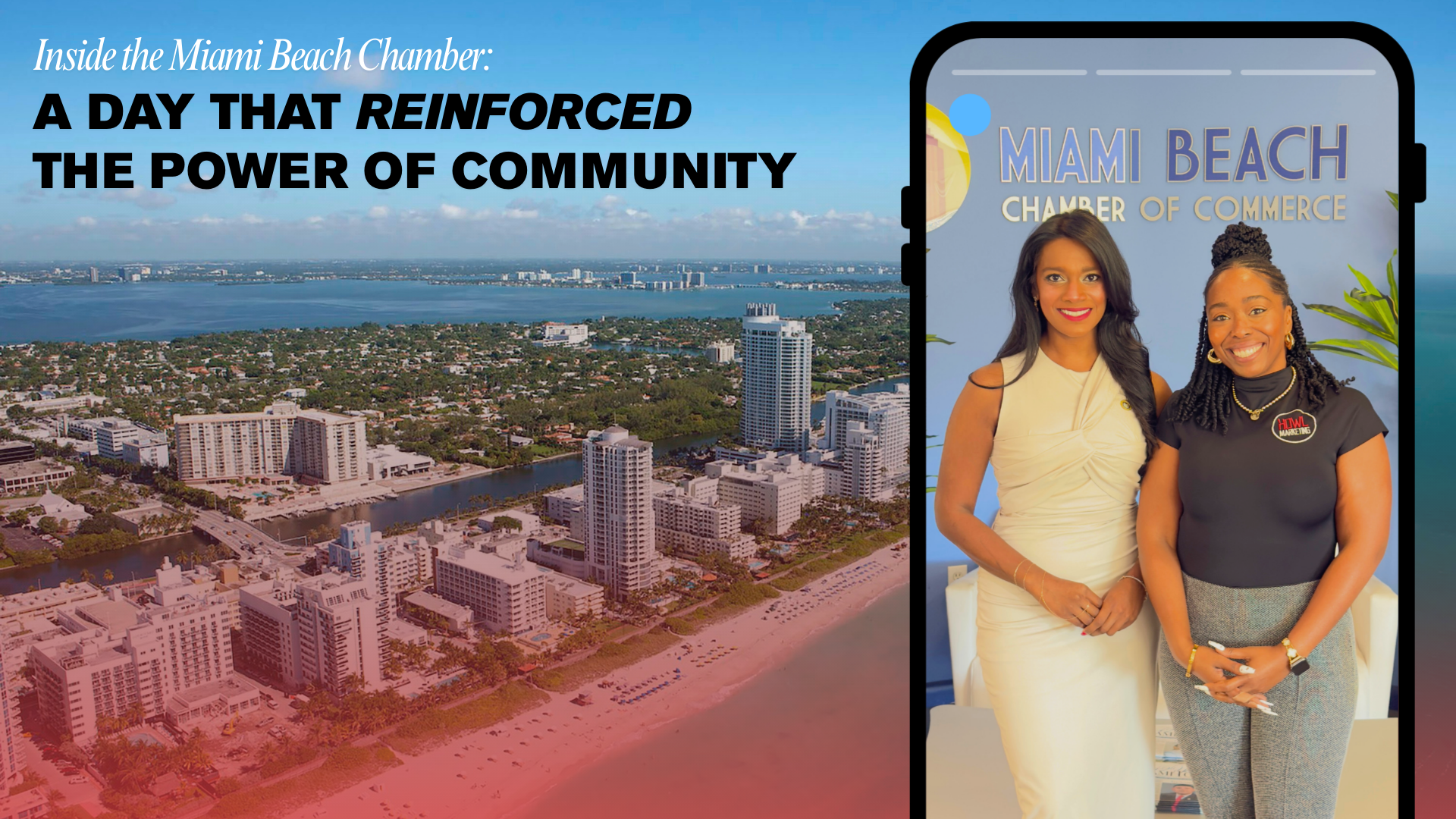
My recent experience attending a small business session hosted by Shevrin Jones confirmed something I have believed for a long time. Florida has opportunity. What it lacks is clarity. The information is available, but it is scattered, technical, and often presented in a way that makes business owners feel overwhelmed before they even begin. This blog is designed to change that.
Using the documents, checklists, and state-issued resources provided during the event, I created a clear guide that breaks down the exact steps entrepreneurs need to follow to do business with the State of Florida.
Step One: Get Legally Set Up and Registered
Florida expects every business, big or small, to be legally registered before pursuing any state partnership. This starts with registering your business through Sunbiz, the official Division of Corporations for the State of Florida. A registered and active Sunbiz profile ensures your business appears in state records and qualifies you for vendor registration and certification. It is the foundation for everything that follows.
Once registered, founders must maintain compliance. This means keeping annual reports up to date, tracking any changes in ownership, and ensuring all tax responsibilities are fulfilled. Florida will not certify or approve any company that is out of compliance, even if the business qualifies in every other category. Most applications get denied at this stage simply because a business owner did not update their address or ownership information.
Pro Tip: Check Sunbiz before doing anything else. If something is outdated, fix it first. The state will freeze or deny every step that follows if your record is not clean.
Step Two: Register in MyFloridaMarketPlace (MFMP)
After establishing your business legally, the next requirement is registering as a vendor with MyFloridaMarketPlace (MFMP), the state’s official procurement platform. Registration happens through the Vendor Information Portal at:
This account becomes your home base for all contracting activity. During registration, you will create your MFMP vendor profile. This profile is where you confirm your business details, upload tax IDs, enter your capability areas, and most importantly, choose your commodity codes. Once your profile is active, agencies can search for your company when they need vendors for specific services.
This step is not optional. All Florida posting, bidding, quoting, and vendor communication runs through MFMP. If you are not registered, you are invisible.
What MFMP enables:
Agencies can find your business
You get notified when contracts in your category open
You can submit quotes
You can respond to solicitations
You can participate in formal bidding
Pro Tip: Use a dedicated procurement email so opportunities never get missed. Many contracts are time sensitive.
Step Three: Choose Your Commodity Codes Wisely
Commodity codes are the foundation of how the state identifies, sorts, and contacts vendors. Think of them as categories that describe what your business does. During the event, one of the most helpful tips shared was to use a search shortcut when selecting categories. By using Control plus F and searching keywords like “services,” “consulting,” “marketing,” or anything related to your offering, you can quickly locate the codes that fit your work.
Your commodity codes determine whether you receive notifications for opportunities. If the wrong codes are selected, you will miss out on opportunities your company is built for. Selecting accurate and relevant codes is one of the most important parts of the setup process.
Pro Tip: Choose codes that truly align with your services. Do not select everything. Overselecting dilutes your profile and confuses procurement officers.
Step Four: Understand State Certifications and Why They Matter
The State of Florida recognizes several types of businesses through its certification program, including woman owned, minority owned, small businesses, and veteran owned enterprises. Certification provides formal recognition, increased visibility, and access to opportunities that are not always available to non certified businesses.
The Certification Checklist and Documentation Checklist distributed at the event outlined the exact documents required to prove ownership, residency, management control, and business function. These included notarized declarations of domicile, Florida IDs, federal certifications, articles of incorporation, payroll documents, and in some cases, specific licensing requirements.
Certification is free and renewed every two years. It also connects businesses to state agencies that prioritize working with certified vendors. For many companies, certification becomes a direct path to contracts that support long term revenue growth.
Pro Tip: If you qualify, apply. Certification pushes you into directories that procurement officers check first.
Step Five: Learn How Procurement Actually Works
Florida procurement does not happen in one place. It runs across several platforms, each designed for different types of contracting. One of the most important tools shared during the event was the Florida Accountability Contract Tracking System (FACTS). FACTS allows you to search existing contracts, grant awards, purchase orders, and active agreements. This is where entrepreneurs can study who is getting the work, how much the work is worth, and where opportunities might open in the future.
MFMP also includes a vendor guide with articles and technical assistance to help you navigate bids, quotes, and agency requirements.
The State Agency Procurement Contacts directory gives founders direct access to procurement personnel across all agencies. This makes it possible to ask informed questions, introduce your business, and understand upcoming needs.
Finally, the State of Florida Bid Opportunities page is where competitive bids are posted. Informal quotes under thirty five thousand dollars are managed through the Ariba Business Network, which also notifies vendors when the state needs a quick quote.
Together, these tools give founders a full picture of where to find opportunities and how to prepare for them.
Pro Tip: Check bid portals weekly. Timelines move fast.
Step Six: Understand State Term Contracts
State Term Contracts are long term agreements the state uses for services often needed across multiple agencies. Instead of each agency creating its own process, the state awards a contract that all agencies can use. Understanding State Term Contracts is essential because they influence pricing, availability, and competition.
If your category has a State Term Contract, you must study:
Pro Tip: If a contract is expiring soon, position yourself early. These are major opportunities that open rarely.
Step Seven: Opt In and Stay Informed
One of the strongest recommendations from the session was to opt in for solicitation emails. When you register in MFMP and select your commodity codes, you will receive email notifications tied directly to your categories. This puts opportunities directly into your inbox and reduces the need to manually monitor multiple systems.
To avoid missing opportunities, the state encouraged business owners to create an evergreen procurement email that will remain active regardless of staff turnover.
Pro Tip: Respond to opportunities quickly. The fastest responses often win smaller contracts.
Why This Matters for Florida Entrepreneurs
Entrepreneurs lose opportunities not because the work does not exist, but because they never hear about it. Florida has a clear process. It has tools designed to support small businesses. It has certifications that create access. What it has not always had is translation.
This guide is the translation. The pathway is accessible, structured, and full of possibility once you understand how to navigate it.
For any founder looking to grow in Florida, this is where your work begins.